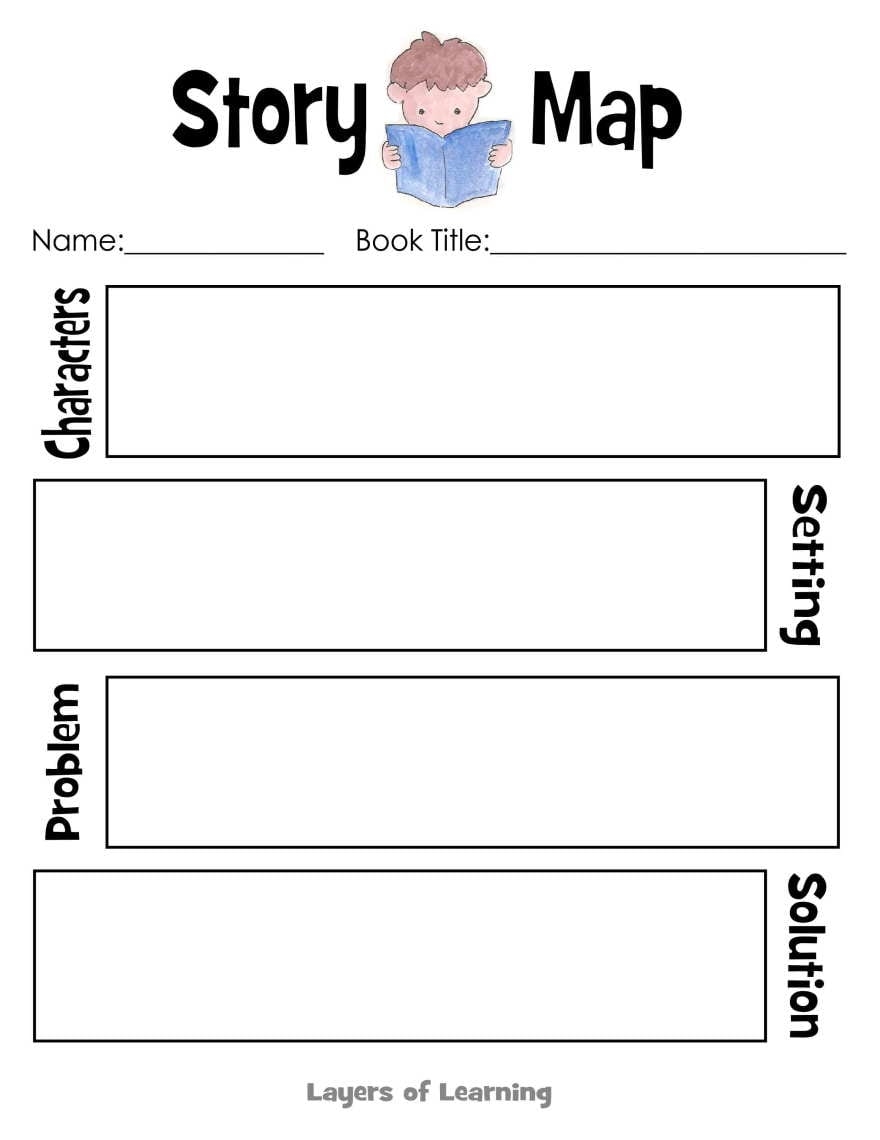
Story maps are a great way to organize and visualize the events of a story. They help readers understand the sequence of events, character development, and key plot points. With the rise of digital technology, printable story maps have become a popular tool for educators, students, and avid readers alike.
Printable story maps allow users to physically map out the elements of a story, making it easier to analyze and comprehend. They can be customized to fit the specific needs of the user, whether it be for a classic novel, a short story, or even a personal narrative.
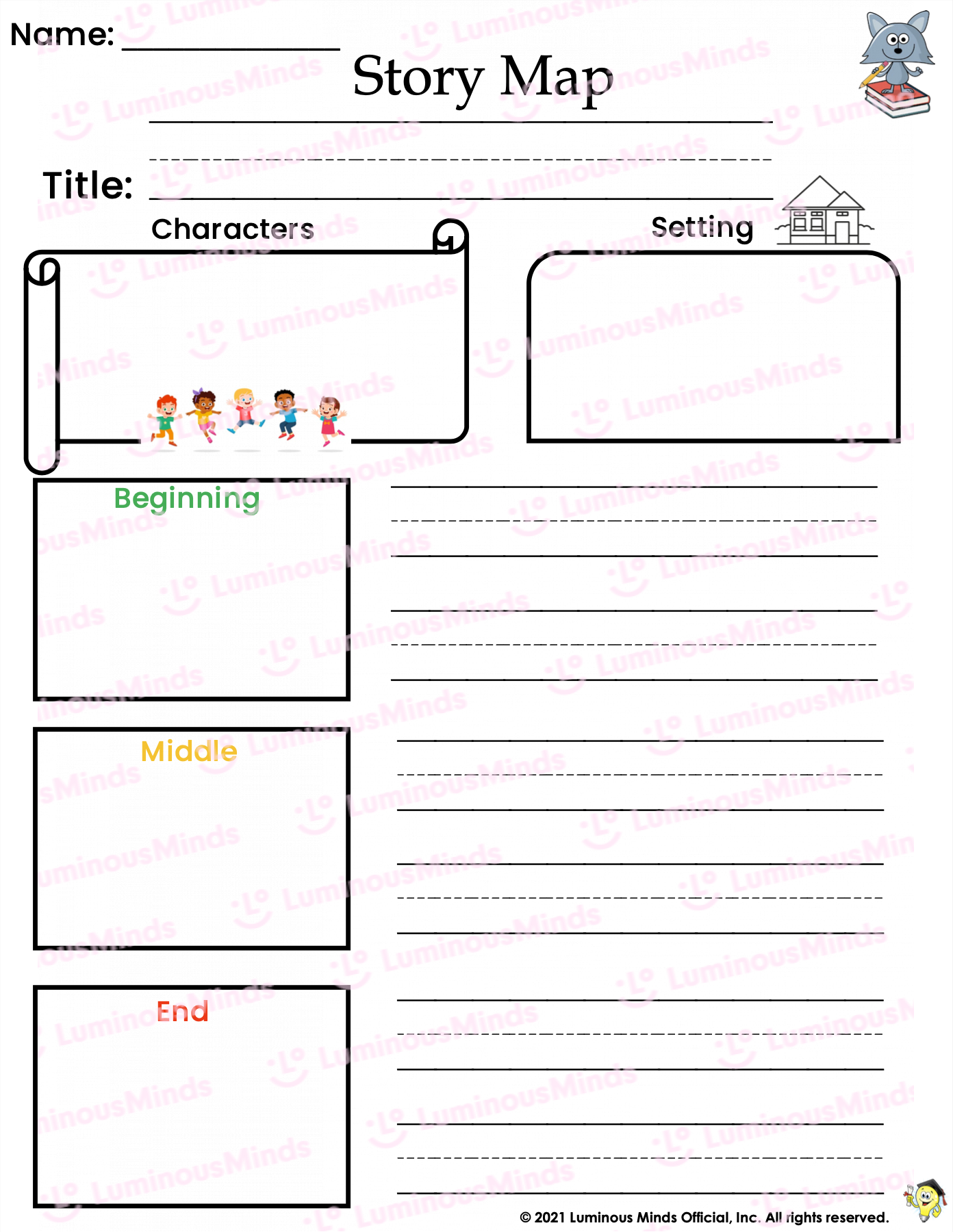 Story Map Printable
One of the key benefits of using a printable story map is the ability to enhance reading comprehension. By visually organizing the story elements, readers can identify the main characters, setting, conflict, and resolution more easily. This can lead to a deeper understanding and appreciation of the story being analyzed.
Additionally, printable story maps can be used as a teaching tool in the classroom. Educators can incorporate story maps into their lesson plans to help students dissect and analyze literature. This hands-on approach can make the learning process more engaging and interactive for students of all ages.
Furthermore, printable story maps can also be used for creative writing purposes. Writers can use story maps to outline their own narratives, ensuring a well-structured and cohesive story. By visually mapping out the plot, characters, and themes, writers can stay organized and focused throughout the writing process.
In conclusion, printable story maps are a valuable resource for readers, educators, and writers alike. They provide a visual representation of the story elements, aiding in comprehension and analysis. Whether used for studying literature, teaching, or creative writing, story maps offer a versatile tool that can enhance the storytelling experience.