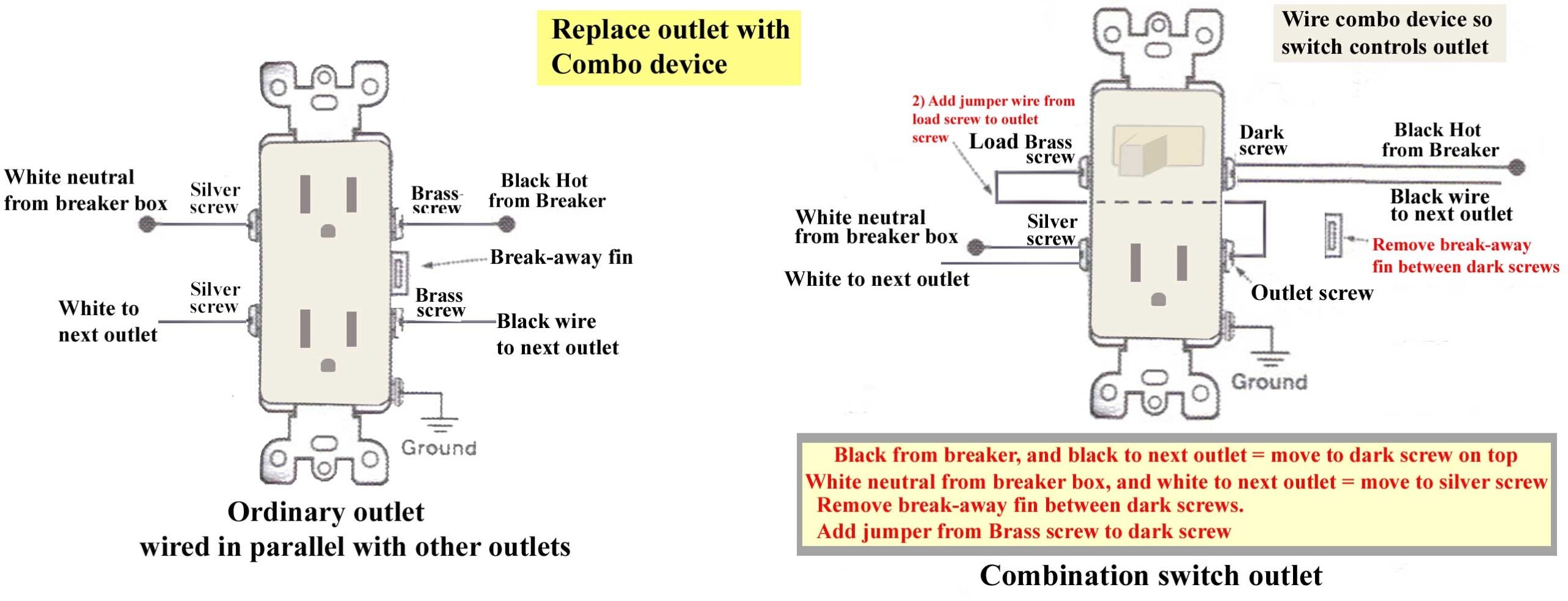
When it comes to electrical wiring, it’s important to understand how everything is connected to ensure safety and functionality. One of the most common electrical components found in every home is the wall outlet. Understanding the wiring diagram of a wall outlet can help you troubleshoot any issues and even perform minor repairs or installations on your own.
Wall outlets typically have three terminals – one hot, one neutral, and one ground. The hot wire carries the electrical current from the circuit breaker, the neutral wire completes the circuit back to the breaker, and the ground wire provides a safe path for excess electricity in case of a short circuit. It’s essential to know how these wires are connected to the outlet to avoid any electrical hazards.
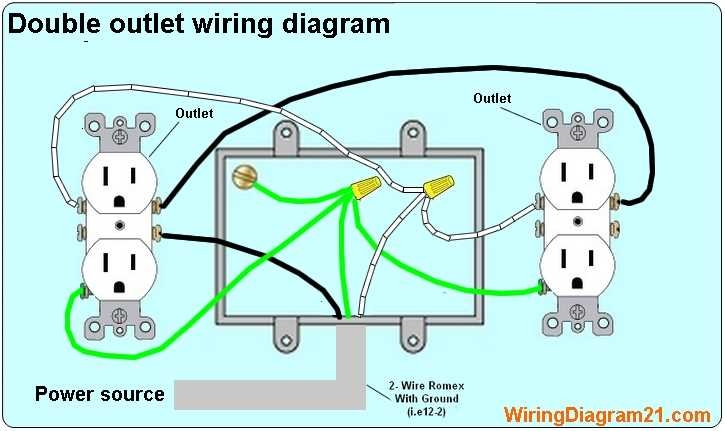 Understanding Electric Outlet Wiring A Comprehensive Diagram (diagramio.com)
Starting with the hot wire, it is usually connected to the brass-colored terminal on the outlet. The neutral wire is connected to the silver-colored terminal, and the ground wire is connected to the green terminal or screw. Following the correct wiring diagram ensures that the outlet functions properly and safely.
It’s important to note that wall outlets can also be wired in series or parallel, depending on the electrical layout of the building. In a series connection, multiple outlets are connected in a single circuit, while in a parallel connection, each outlet is connected directly to the main electrical panel. Understanding the wiring diagram will help you determine which type of connection your outlets have.
In older homes, it’s not uncommon to find two-prong outlets that don’t have a ground wire. In these cases, it’s crucial to upgrade to three-prong outlets with proper grounding to meet modern safety standards. Following the correct wiring diagram will ensure that the new outlets are installed safely and comply with electrical codes.
Overall, understanding the wiring diagram of a wall outlet is essential for anyone looking to perform electrical work in their home. Whether you’re troubleshooting an issue or installing new outlets, knowing how everything is connected can prevent accidents and ensure that your electrical system functions properly. If you’re unsure about any wiring work, it’s always best to consult a licensed electrician for assistance.